Teachers have enough to do without having to repeat themselves over and over. Unfortunately, this is a very common problem, but there are a few tips and tricks you can use to help reduce how often it happens.
First and foremost, it is important that you have thought through your directions, expectations, and routines beforehand. It is hard to give clear directions if you don’t know yourself what they are or what you would like the kids to do.
Next, students need to be expected to pay attention. Teachers used to invite me into their classrooms to give them some constructive advice on things they could work on. Often, I would tell them that they needed to stop, take a breath, and get all the kids’ attention before giving directions. If the kids aren’t listening to begin with, we can’t expect them to hear what we are saying.
I allowed my students to move and be active for almost the whole day, but when I gave directions, they were expected to stop moving and look my way for that 1–2 minutes. I taught the kids that this was a way to show respect. And yes, listening and paying attention have to be taught.
There are a lot of great books available to help with this. My students especially enjoyed the Whole Body Listening Larry series by Kristen Wilson and Elizabeth Sautter.
I also liked to put some humor and playfulness into my instructions. I wanted to make sure I caught the kids’ attention and made the directions entertaining enough that they wanted to listen.
Of course, I have to mention that visual supports are a lifesaver for his problem. You can use visuals in so many ways. Think about what you find yourself repeating over and over throughout the day and focus on that first.Visuals aren't just something we put up because we have them. They're tools we use when they solve a specific problem.
My younger students used to ask what was for lunch every day. The school supplied a calendar of lunch choices each month, but they were all in words, and not all of the students could read it. Simply hanging up a picture of the lunch choices in an area where they could easily see it changed that instantly.
I also liked to start the year with social stories to teach expectations. Writing them helped me get my own thoughts and expectations organized while giving students words and pictures to help them “see” what I was asking of them. I also kept the stories handy throughout the year as quick reminders. For example, before heading to lunch, I could hold up our lunchroom expectations story as a reminder. If a student forgot an expectation, I could easily pull out the story and review it with them again.
There are so many other ways you can use visuals to support students in remembering expectations! If the class is having trouble staying seated, you can use a simple visual of a student sitting and place it on the whiteboard so you don’t have to keep repeating yourself.
The music teacher at my school was getting tired of having to tell every class she worked with, every day, to stay off the risers. She put a “Please Do Not Touch” sign on them and significantly reduced the need to remind students.
Posting the schedule on the board is another great way to reduce students asking, “What’s next?” a million times. (By the way, I have a little pet peeve with class schedules in elementary schools and plan to do a whole blog just on that…stay tuned!)
Another idea is to use a visual when the class is having trouble remembering what materials you said to get out for a task or activity. Post the name of the item, a picture of it, or even the actual item somewhere all students can easily see it. Then they can look back at it as needed instead of having to ask you again.
If you have some individual Superbrains who are struggling, but it’s not necessarily a whole-class problem, think about visuals such as First-Then boards, individual schedule boards, mini-task strips (more on these soon, too!), or even placing a cue card reminder in front of an individual student who needs it.
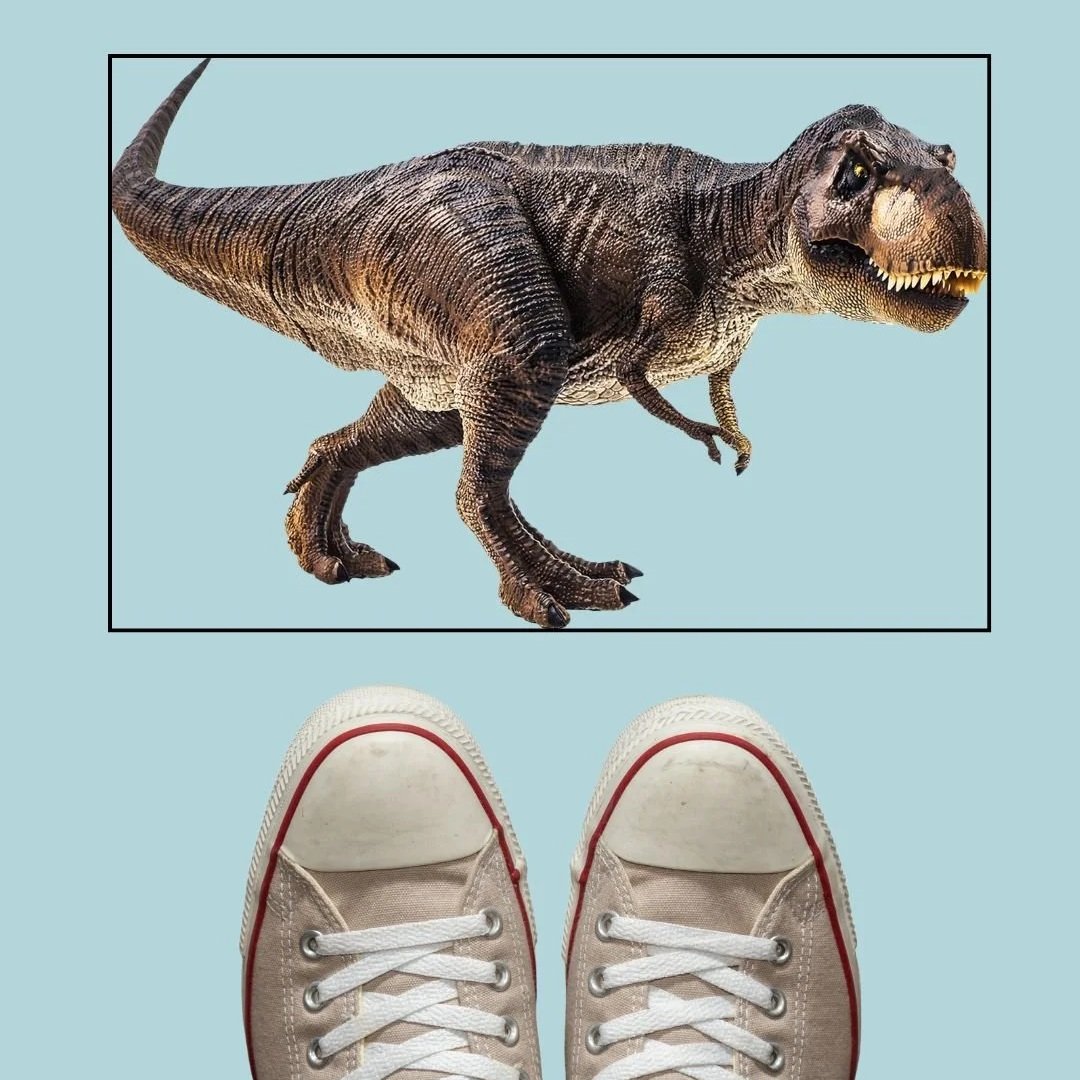
I had a Superbrain student once who was always pushing to be first in line when the class was going somewhere. This particular Superbrain was in love with dinosaurs, so I placed a picture of a dinosaur about halfway down the regular lineup area. I kid you not, it worked immediately! He loved getting on his dinosaur picture, and the other kids knew where his spot was. No fighting! I love it when it is that easy!
One more thought: visuals do not reduce or impede students’ learning of independence skills. Visuals actually help build those skills!
When we give students a visual for a routine, expectation, or task, we aren’t doing the thinking for them. We’re giving them a tool they can use to figure out what comes next without having to wait for an adult to tell them. Over time, the goal is for students to use the visual as a reminder and become more independent in managing their own routines and expectations.
For example, my Superbrain who was having trouble lining up was able to line up independently once he had his dinosaur visual. He didn’t need me to remind him where to stand. He had a visual reminder that he could use on his own.
A few visuals can make a big difference in helping students know what to do and expect throughout the school day so they are calmer and more independent and aren’t asking you the same questions over and over! You can actually use that time to teach and build meaningful connections!
Need a little help getting started? Take a look at some of the visual supports I’ve created for the classroom.